MENU
Our Strategy for Carbon Neutrality
The Daiwa House Group is promoting a strategy for carbon neutrality aimed at achieving virtually zero greenhouse gases emissions by 2050 under a basic approach of “doing everything we can by 2030,” and contributing to the realization of a sustainable society that supports the lives and lifestyles of future generations of children.

Our strategy for carbon neutrality (Japanese only)

We have always been committed to finding solutions to the social issues of the times. One such example of this took place in the 1990s, when global environmental issues were rising in prominence. We were quick off the mark in fully launching a power generation business using renewable energy sources, and developed renewable energy power plants throughout Japan. We also worked toward developing and promoting environmental consideration products and services.
In recent years we have seen a dramatic increase in the frequency and severity of weather-related disasters caused by climate change. Moreover, with the adoption of the Paris Agreement, nations around the world have changed course in dramatic fashion, setting their sights on decarbonization, while Japan has clearly stated its goal of becoming carbon neutral by 2050. In light of these circumstances, we believe that the promotion of decarbonization is critical for the Group, not only for it being our mission to protect the global environment, but also to seize business opportunities and to develop them globally.
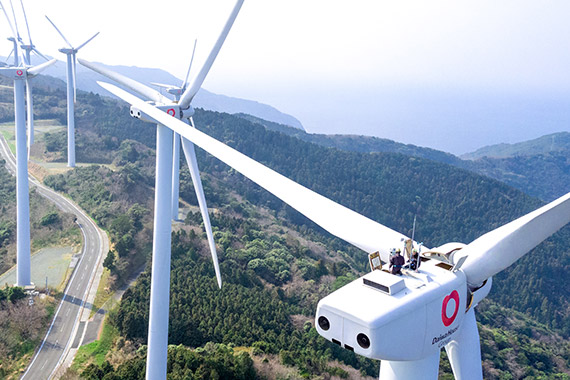
Wind power plant (renewable energy power plant)
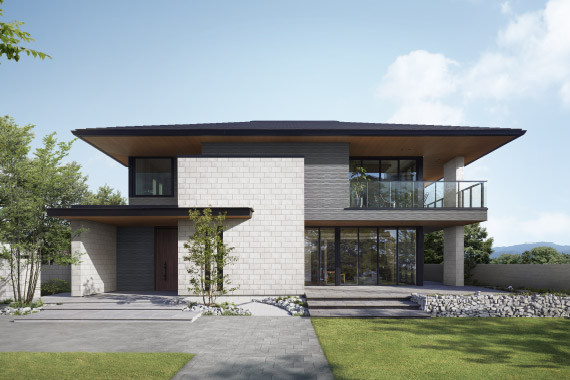
xevo Σ (sigma) PREMIUM, a ZEH-compatible product
(environmental consideration products)
The Daiwa House Group implemented its carbon neutral strategy under the 7th Medium-Term Management Plan (fiscal 2022-2025). Under the Endless Green Program 2029 (EGP2029), the Group’s environmental action plan commencing in fiscal 2026, we will continue our initiatives on carbon neutrality, treating it as one of our priority environmental themes. We will create a mechanism whereby the more buildings we construct, the more widely renewable energy is adopted in society, thereby accelerating our decarbonization efforts.

In 2018, the Daiwa House Group became the world’s first housing and construction group to join three international initiatives simultaneously: SBT, the Smart Energy Coalition (formerly EP100), and RE100. Through energy-saving and renewable energy initiatives, we will work to achieve our SBT-validated greenhouse gases emissions reduction targets.
Cooperation inUnder EGP2029, the Daiwa House Group has set medium- to long-term targets to reduce greenhouse gases emissions by 35% from fiscal 2020 levels by 2035 and achieve carbon neutrality by 2050. To reach these targets, we will strive to achieve carbon neutrality across all three phases of our value chain: business activities, products and services, and procurement.


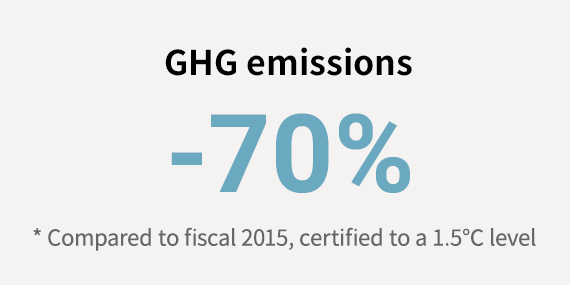
To reduce greenhouse gases emissions from business activities, we have established targets and are promoting initiatives focused on energy conservation, renewable energy, and electrification.

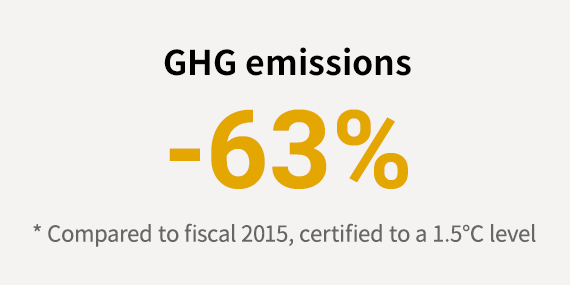
We have established targets and are promoting initiatives in Japan and overseas, with a different focus for each. In Japan, the focus is on promoting Next-Generation ZEH* and targeting 100% ZEB,* in principle, while overseas, the focus is on improving energy efficiency in each country.
* ZEH (-M) / ZEB: Refers to houses, apartments, and buildings designed to achieve net-zero annual primary energy consumption by delivering enhanced insulation and energy-saving performance, combined with energy generation from renewable sources such as solar power.
* Next-Generation ZEH (GX-ZEH / GX-ZEH-M): Refers to higher-performance houses and condominiums that aim to achieve a net-zero or better annual primary energy consumption balance through improved energy efficiency with further enhanced insulation and high-efficiency equipment, the use of renewable energy such as solar power, and optimized energy use through storage batteries and energy management systems, including self-consumption of generated electricity.

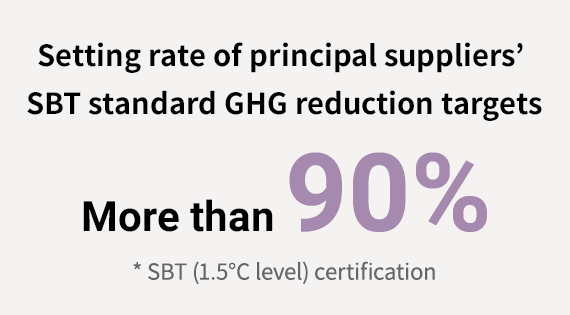
By collaborating with suppliers on energy conservation, renewable energy, and the use of low-carbon building materials, we aim to achieve carbon neutrality throughout supply supply chains.
We will bring to the world our own distinctive brand of “sustainable community development” that leads to decarbonization by relying on our exceptional ability to support a wide range of building types, from houses to commercial facilities.

The name given to our new suburban mixed-use development concept, KoRekara, incorporates the “three Re” into the Japanese word for “from now onward.” Under this concept, we seek to expeditiously achieve what is possible—reality—within the constraints of current technology, to cover 100% of a community’s power needs with renewables to promote decarbonization and local consumption of energy, achieving resilience—the robust value that can maintain and recover business and lifestyles even in the event of natural disasters.

Lifestyles of all varieties are evolving along with the growth of e-commerce, the increasing popularity of teleworking, and the development of digital transformation (DX). In support of such new ways of living, we will move forward on the development of communities where people can experience for themselves the reality that comes with new value, that being a style of living supported 100% by renewable energy and that has the resilience to stand up well to disasters.


* These are mere example ideas that we are working to transform into reality.